Ways to Configure Advanced Automation Templates

Healing requires by hand auditing and disavowing bad links, then waiting months for reconsideration. High-value content development ought to never be fully automated. Sales pages, cornerstone material, and conversion-focused properties require human tactical thinking that AI can't duplicate. Usage automation for content briefs and initial drafts, but always apply editorial judgment before publishing.
Automated campaigns now show 60-70% lower success rates post-March 2024 update. Never automate link structure, material publishing, or strategic decisionsautomation works just for technical detection and reporting with human oversight. Penalties average 65% traffic loss and take 5+ months to recover from. Start with low-risk technical automation before trying content or link workflows.
Select a rank tracker supporting API access for automation. Semrush Pro ($119.95/ month) includes API access and 500 keyword tracking. Both offer day-to-day automated rank checks without manual input.
Import keywords from three sources: (1) Google Browse Console (real keywords driving traffic), (2) competitor analysis (keywords competitors rank for), (3) tactical targets (keywords you're actively enhancing for). Many trackers accept CSV uploads or Browse Console API connections for automated import. Set up everyday rank checking schedules in your tracker's settings.
A lot of business tools inspect ranks instantly; verify your plan consists of day-to-day updates rather than on-demand-only checking. Connect Google Search Console through OAuth for automatic efficiency information import. This pulls actual clicks, impressions, CTR, and typical position directly from Googlemore accurate than third-party price quotes. Enable automated data sync to run daily without manual exports.
Achieving Peak ROI Via Software Workflows
Create a Zapier workflow ($29.99/ month for 750 jobs) connecting your rank tracker to Google Sheets or email. The automation trigger fires every Monday at 9am, pulling the previous week's rank changes, traffic metrics, and notable motions into a pre-formatted design template.
If any top-10 keyword drops > 5 positions, send instant Slack/email alert. If total organic traffic drops > 15% week-over-week, flag for immediate examination. Automated alerts surface problems before they compound. Set up stakeholder circulation. Export the weekly report as PDF and instantly email to marketing team, executives, and appropriate departments. Consist of executive summary (leading movers, traffic change, concern concerns) and comprehensive appendix (complete keyword list, traffic by page, technical problem summary).
Manually examine 10-15 keywords in incognito mode to validate rank tracker accuracydiscrepancies of 3 positions are typical due to personalization, however larger spaces suggest tracking issues. Review natural traffic trends versus rank modifications. If rankings enhance but traffic stagnates, examine: (1) declining search volume for tracked keywords, (2) CTR concerns from poor meta descriptions, (3) tracking URLs not matching landing pages, (4) seasonal traffic changes.
Pro Tips for Efficient Software Configuration
Quiet failures in automation workflows waste the entire system's worth. When keywords drop rankings or brand-new opportunities appear, automated workflows should flag them for content updates or new content development.
Produce a Zapier or automation that: (1) recognizes keywords ranking positions 11-20 (page 2), (2) exports them to a "content optimization" sheet, (3) designates them to authors through job management tool. These "almost ranking" keywords typically need small material improvements to burglarize page one. Establish monthly keyword gap analysis automation.
Automatically export these to a "content gap" sheet for tactical preparation. This changes reactive material creation into proactive opportunity capture.
Month-to-month audits include 1 hour for information accuracy validation and system optimization. Overall ongoing time: 3 hours month-to-month versus 15-20 hours for manual rank tracking and reporting. The automation manages executiondaily rank checks, data collection, report generationwhile human beings supply strategic analysis. You'll invest less time collecting information and more time acting on insights, which is where real SEO improvements happen.
Streamlining Multi-Tiered SEO Automation Architectures
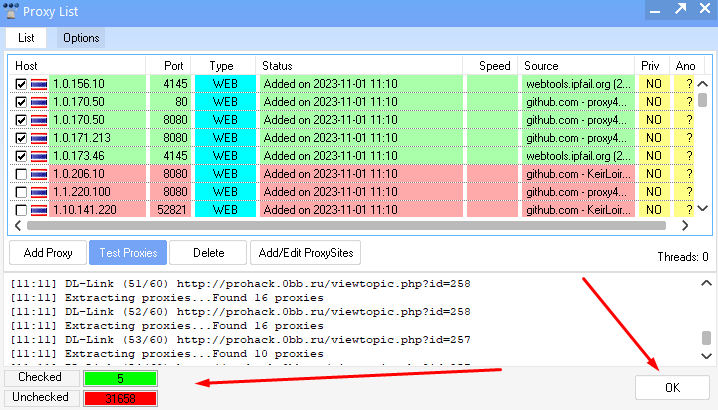
Automate everyday rank checks, weekly report collection, and alert triggeringbut by hand examine information month-to-month for precision. This workflow saves 12-17 hours monthly versus manual tracking while keeping data quality oversight. Base automation tools cost $50-150/ month, however total expense of ownership runs $150-250/ month when including proxies ($20-100), CAPTCHA fixing ($10-30), and supporting services.
Technical SEO automation (rank tracking, crawling) is safe; link automation is high-risk. The March 2024 spam update specifically targeted automatic link patterns, with SpamBrain now spotting 87% of manipulative patterns.
Never fully automate link building, content publishing, or keyword strategy choices. Link outreach automation attains 3.2% reaction rates versus 18% for manual personalized outreach according to Ahrefs' research study.
Technical automation (rank tracking, reporting) shows time savings instantly. Content and ranking enhancements take 3-6 months regardless of automationtools speed execution, not Google's ranking timeline.
Achieving Peak ROI Via Automation Workflows
Automation speeds up job execution (crawling 10,000 pages in minutes versus days) however doesn't speed Google's algorithmic evaluation or indexing processes. Below these limits, automation expenses exceed time cost savings, resulting in negative ROI.
Small websites with less than 10 pages and 100 keywords see negative ROI after factoring in $150-250 regular monthly total costs, 12-18 hours setup time, and 2-5 hours weekly tracking. A local restaurant with one site and 50 keywords shouldn't purchase automationmanual tracking requires thirty minutes weekly. A marketing firm handling 20 customer sites needs automation to operate.
Real "autopilot" tools like SEO Autopilot for link structure automate content production, website registration, and link posting with minimal oversightthough G2 reviews reveal this approach frequently produces low-quality results. Helped tools like SurferSEO automate competitive analysis and provide optimization tips, but human beings write content and make implementation decisions. The majority of successful applications use helped automationtools manage data-heavy tasks while people keep strategic control and quality requirements.
Automated link structure breaches Google's spam policies and SpamBrain now identifies 87% of adjustment patterns. Manual outreach outperforms automated 5-7x and avoids charge danger. Google clearly prohibits automatic link creation. Gary Illyes mentioned at Brighton SEO 2024 that SpamBrain recognizes 87% of artificial link patterns through neural network analysis. Online search engine Journal reports automated link campaign success rates dropped from 45-50% pre-2024 to simply 15-18% post-March upgrade, with 12% now experiencing charges.
SEO auto-pilot software delivers real worth for technical automationrank tracking, website crawling, and reportingwhere rules-based execution eliminates hours of manual work. These tasks accomplish 95-100% automation viability and face zero penalty threat.