Navigating Next-Gen SEO Frameworks for 2026

Healing requires manually auditing and disavowing bad links, then waiting months for reconsideration. High-value material development should never be fully automated. Sales pages, foundation content, and conversion-focused properties require human tactical thinking that AI can't reproduce. Use automation for material briefs and very first drafts, but always use editorial judgment before publishing.
Automated campaigns now reveal 60-70% lower success rates post-March 2024 upgrade. Never automate link building, content publishing, or tactical decisionsautomation works just for technical detection and reporting with human oversight. Penalties typical 65% traffic loss and take 5+ months to recover from. Start with low-risk technical automation before trying material or link workflows.
Select a rank tracker supporting API gain access to for automation. Semrush Pro ($119.95/ month) consists of API gain access to and 500 keyword tracking. Both offer daily automated rank checks without manual input.
Import keywords from 3 sources: (1) Google Browse Console (actual keywords driving traffic), (2) competitor analysis (keywords rivals rank for), (3) tactical targets (keywords you're actively enhancing for). Most trackers accept CSV uploads or Search Console API connections for automated import. Establish daily rank checking schedules in your tracker's settings.
The majority of enterprise tools examine ranks instantly; verify your strategy consists of everyday updates instead of on-demand-only checking. Link Google Browse Console through OAuth for automatic efficiency information import. This pulls actual clicks, impressions, CTR, and typical position directly from Googlemore accurate than third-party estimates. Enable automated data sync to run daily without manual exports.
Polishing Complex SEO Automation Architectures
Rank enhancements indicate absolutely nothing without matching traffic and conversion increases. API connections immediately pull session counts, goal conclusions, and revenue attribution tied to natural search. Produce a Zapier workflow ($29.99/ month for 750 tasks) linking your rank tracker to Google Sheets or email. The automation trigger fires every Monday at 9am, pulling the previous week's rank modifications, traffic metrics, and noteworthy motions into a pre-formatted design template.
If overall organic traffic drops > 15% week-over-week, flag for instant examination. Automated informs surface area problems before they compound. Include executive summary (top movers, traffic change, priority issues) and detailed appendix (full keyword list, traffic by page, technical problem summary).
custom GSA SER projectsBy hand inspect 10-15 keywords in incognito mode to validate rank tracker accuracydiscrepancies of 3 positions are regular due to customization, but bigger gaps indicate tracking issues. Review organic traffic patterns against rank modifications. If rankings enhance but traffic stagnates, examine: (1) declining search volume for tracked keywords, (2) CTR issues from bad meta descriptions, (3) tracking URLs not matching landing pages, (4) seasonal traffic changes.
Scaling Technical Ranker Platforms
Silent failures in automation workflows squander the whole system's worth. When keywords drop rankings or new chances appear, automated workflows should flag them for material updates or brand-new material development.
Produce a Zapier or automation that: (1) identifies keywords ranking positions 11-20 (page 2), (2) exports them to a "content optimization" sheet, (3) designates them to authors via job management tool. These "practically ranking" keywords frequently require small content improvements to get into page one. Establish monthly keyword gap analysis automation.
Instantly export these to a "content space" sheet for strategic preparation. This changes reactive content development into proactive opportunity capture.
Month-to-month audits add 1 hour for information accuracy validation and system optimization. Overall ongoing time: 3 hours regular monthly versus 15-20 hours for manual rank tracking and reporting. The automation handles executiondaily rank checks, information collection, report generationwhile people offer tactical analysis. You'll invest less time gathering data and more time acting on insights, which is where real SEO improvements occur.
Mastering Next-Gen Automation Systems for 2026
Automate daily rank checks, weekly report compilation, and alert triggeringbut by hand review data month-to-month for accuracy. This workflow saves 12-17 hours month-to-month versus manual tracking while maintaining information quality oversight. Base automation tools cost $50-150/ month, but total expense of ownership runs $150-250/ month when including proxies ($20-100), CAPTCHA solving ($10-30), and supporting services.
Technical SEO automation (rank tracking, crawling) is safe; link automation is high-risk. Google's link spam policy explicitly restricts "automated programs or services to produce links to your site." The March 2024 spam upgrade particularly targeted automated link patterns, with SpamBrain now detecting 87% of manipulative patterns. Ahrefs' charge analysis shows affected websites lose approximately 65% natural traffic.
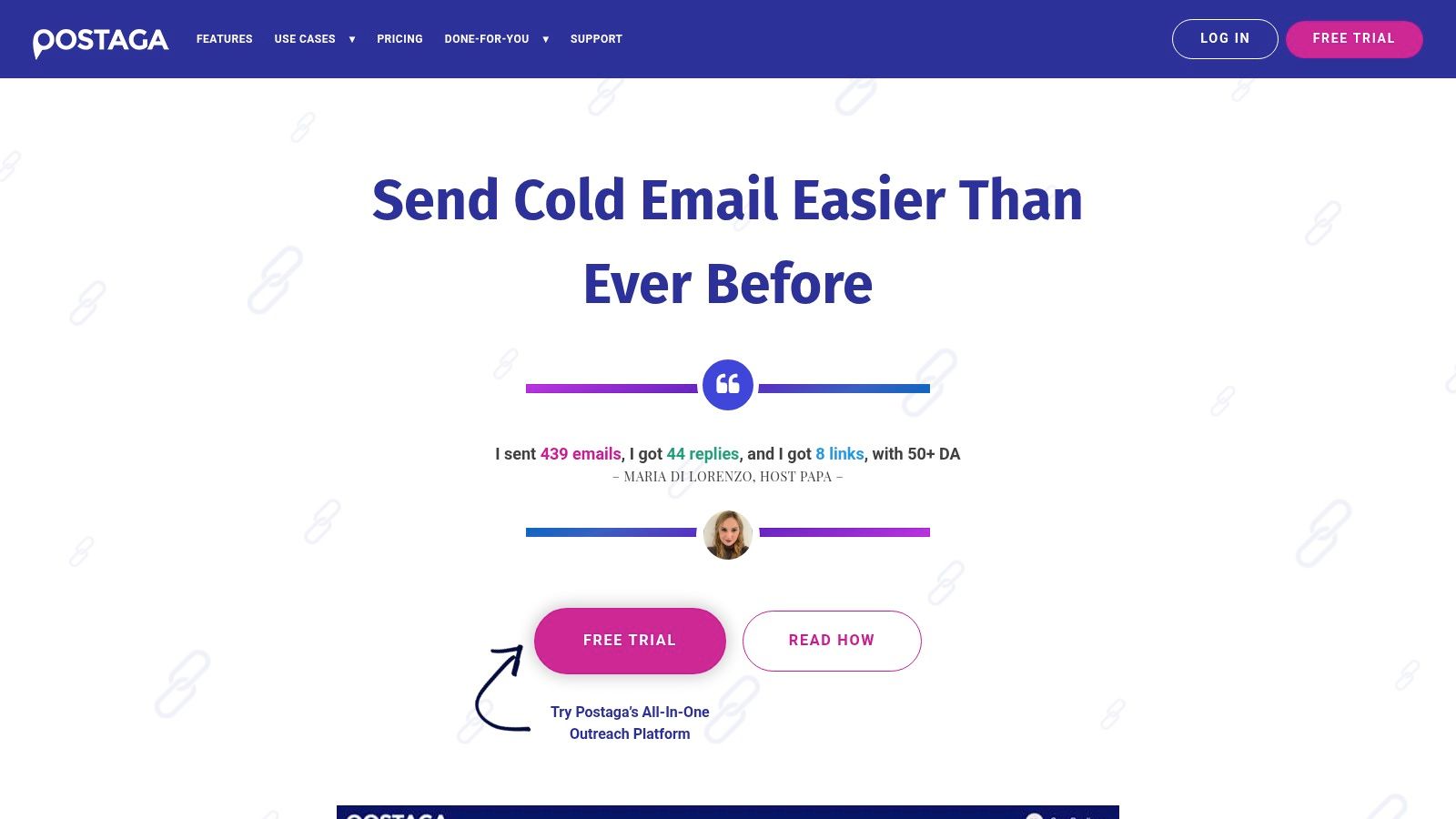
Never ever completely automate link structure, content publishing, or keyword strategy decisions. These need human judgment for quality, importance, and threat evaluation that algorithms can't duplicate. Moz's analysis of 87 SEO tasks discovered only 23% can be totally automated without quality destruction. Link outreach automation achieves 3.2% action rates versus 18% for manual individualized outreach according to Ahrefs' study.
Automate technical detection and data compilation; keep humans in tactical and creative choices. Technical automation (rank tracking, reporting) shows time cost savings right away. Material and ranking enhancements take 3-6 months regardless of automationtools speed execution, not Google's ranking timeline. Automated rank tracking and reporting provide immediate time savingsAgencyAnalytics users report 5-8 hours monthly conserved on report collection.
Technical Tips for Optimal Tool Setup
Automation speeds up job execution (crawling 10,000 pages in minutes versus days) but does not speed Google's algorithmic assessment or indexing procedures. Listed below these thresholds, automation costs exceed time savings, resulting in unfavorable ROI.
Little websites with fewer than 10 pages and 100 keywords see unfavorable ROI after considering $150-250 month-to-month total expenses, 12-18 hours setup time, and 2-5 hours weekly monitoring. A regional restaurant with one website and 50 keywords shouldn't invest in automationmanual tracking needs 30 minutes weekly. A marketing company handling 20 customer websites requires automation to operate.
True "auto-pilot" tools like SEO Autopilot for link structure automate content creation, website registration, and link publishing with very little oversightthough G2 evaluations reveal this method typically produces low-grade outcomes. Helped tools like SurferSEO automate competitive analysis and provide optimization recommendations, however human beings write material and make application decisions. Most successful applications utilize helped automationtools handle data-heavy tasks while people maintain strategic control and quality requirements.
custom GSA SER projectsAutomated link building breaches Google's spam policies and SpamBrain now spots 87% of adjustment patterns. Browse Engine Journal reports automated link project success rates dropped from 45-50% pre-2024 to simply 15-18% post-March upgrade, with 12% now experiencing penalties.
The risk-reward calculation no longer prefers automationmanual outreach is both more secure and more reliable. SEO autopilot software delivers authentic worth for technical automationrank tracking, site crawling, and reportingwhere rules-based execution removes hours of manual work. These jobs accomplish 95-100% automation viability and face zero charge danger. The "auto-pilot" promise breaks down for strategic and creative tasks.